
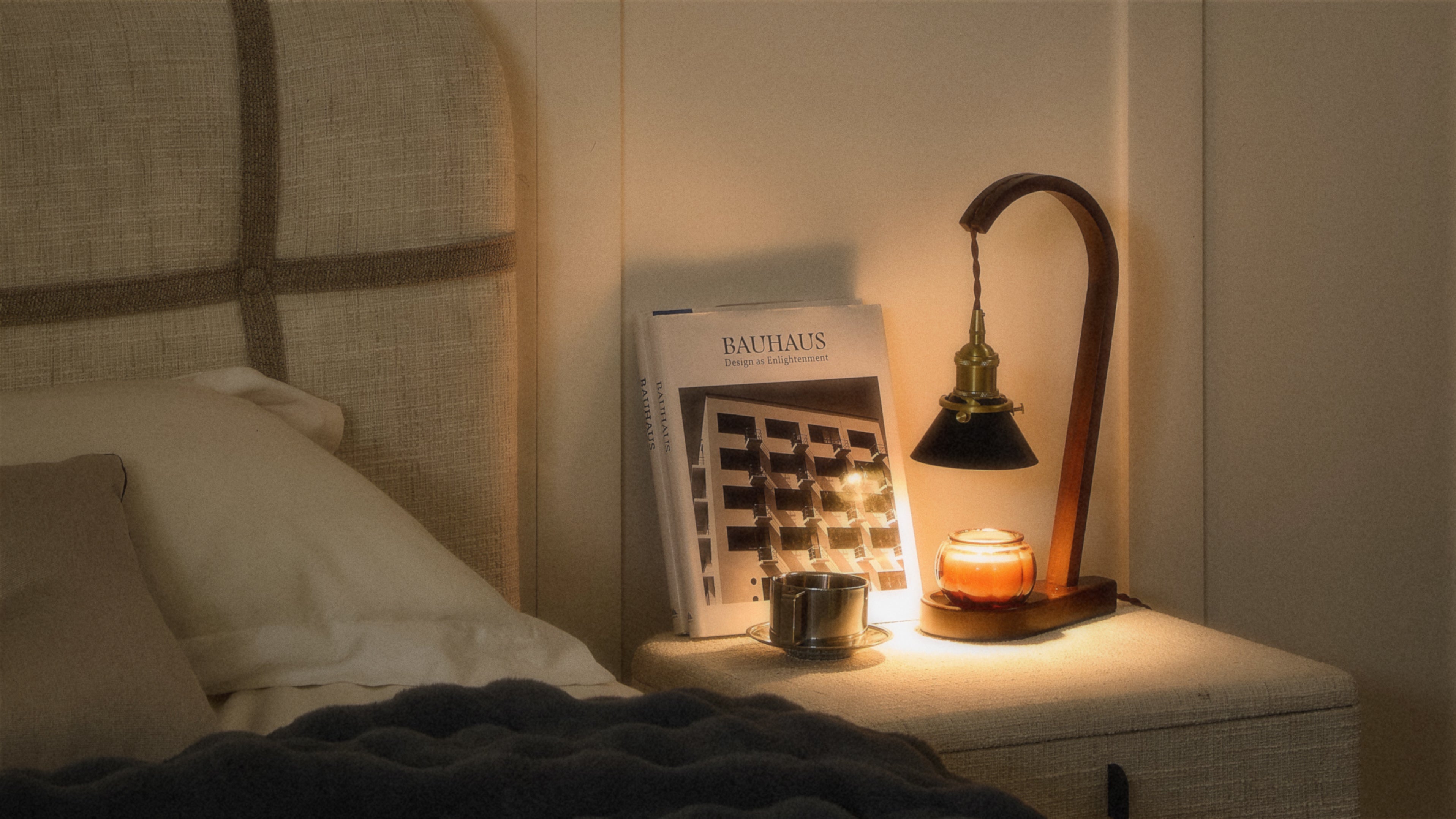
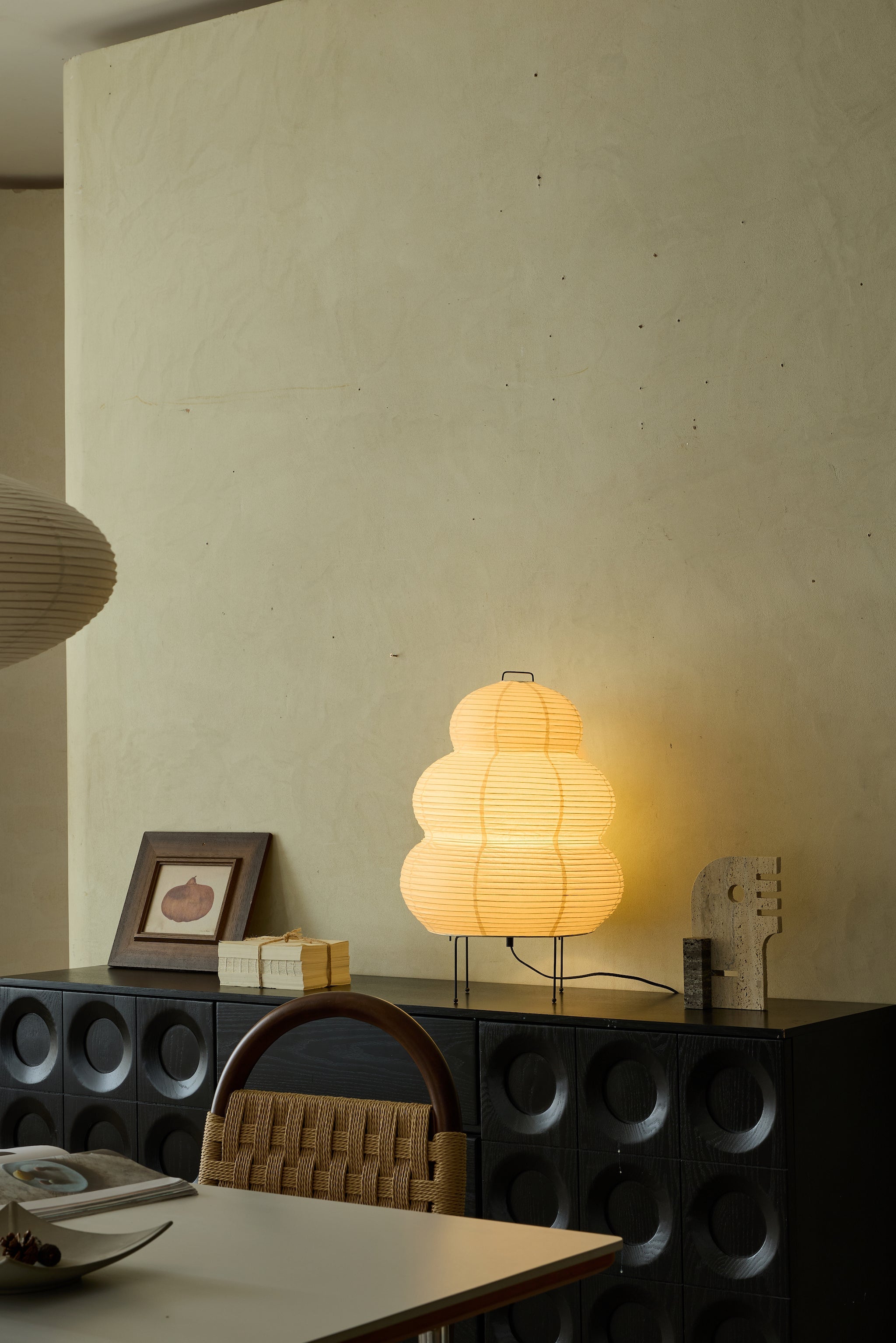

Layering light: how table lamps, pendants, and wall sconces work together
Most rooms that feel wrong after dark have the same problem: one overhead fixture and nothing else. The room reads flat because all the light comes from a single direction at a single height. The fix is layering, an idea borrowed from theater lighting and applied to homes. Three layers, each with its own job. Get the layers right and a 1500 lumen total can feel richer than 4000 lumens from a single source.
The three layers
Ambient (general)
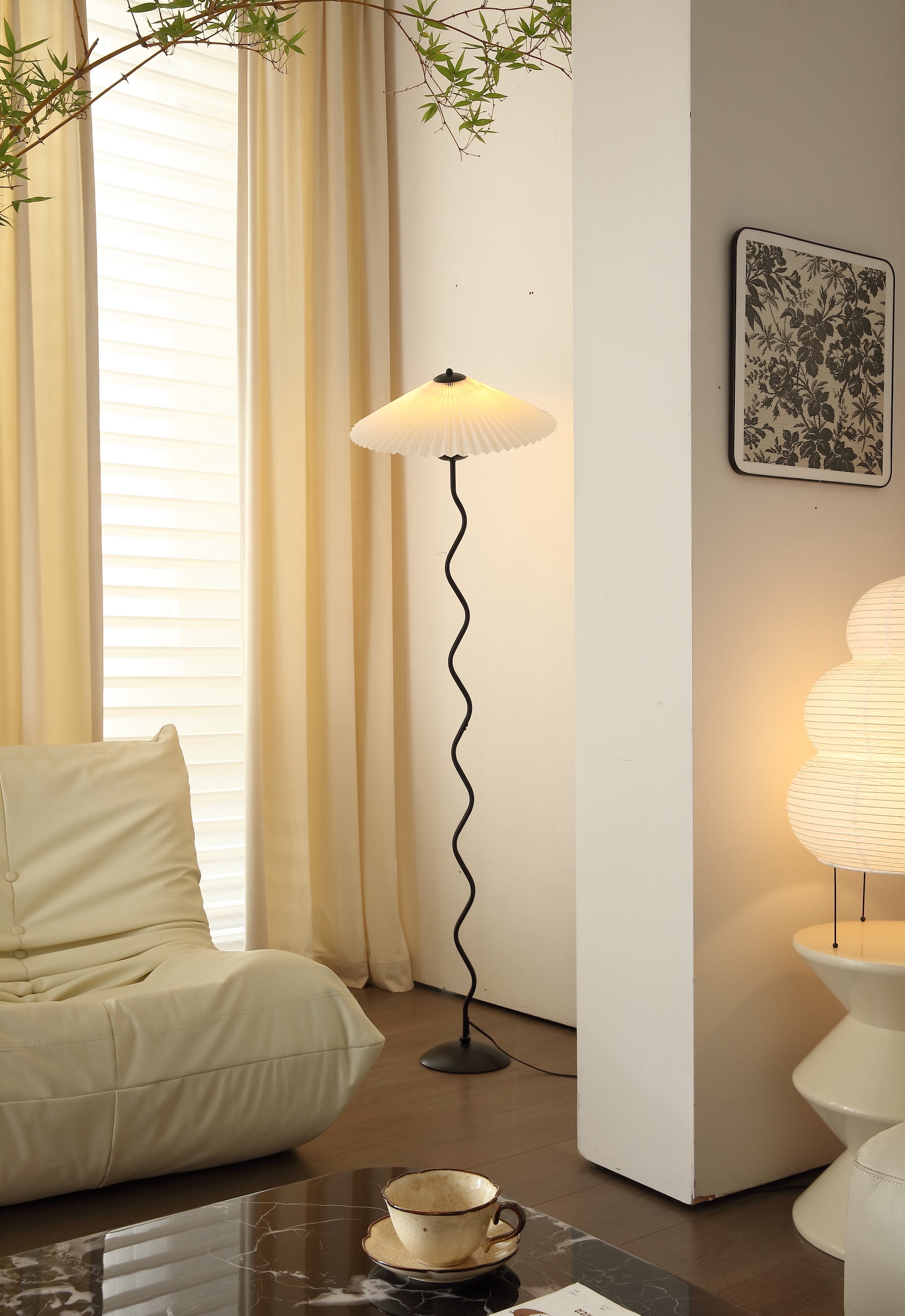
The base coat. Fills the room evenly so you can move around without bumping into things. Pendants, semi-flush fixtures, recessed cans, and large floor lamps with upward-facing shades all qualify. Ambient light is the boring layer. It does the work, then gets out of the way.
Task
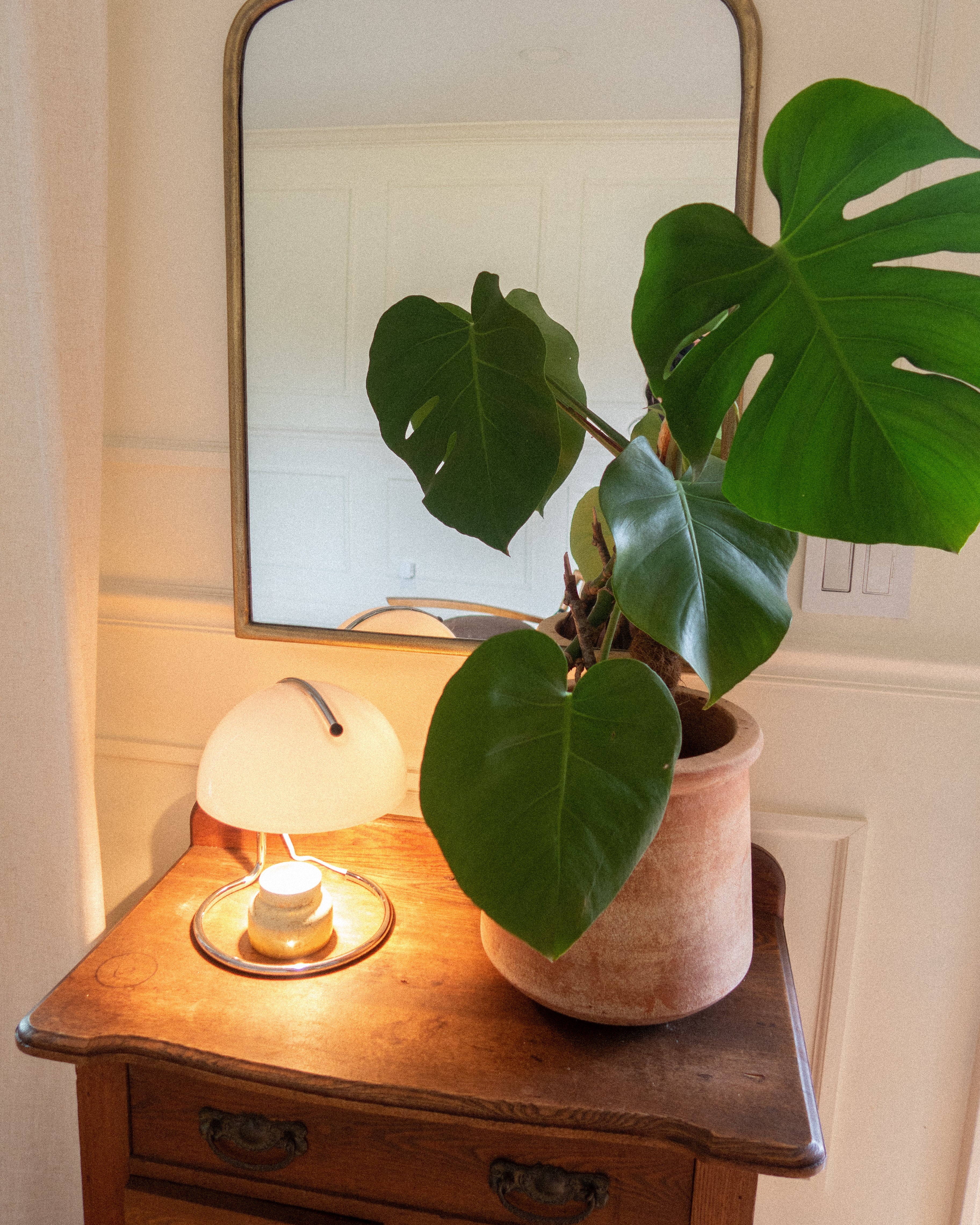
Light aimed at a surface where you do something. Reading next to a chair, chopping on a counter, applying makeup at a vanity. Table lamps, swing-arm wall lights, under-cabinet strips, and pendants over kitchen islands fall here. Task light should be brighter than the ambient layer at the surface in question, otherwise the eye fights the difference.
Accent
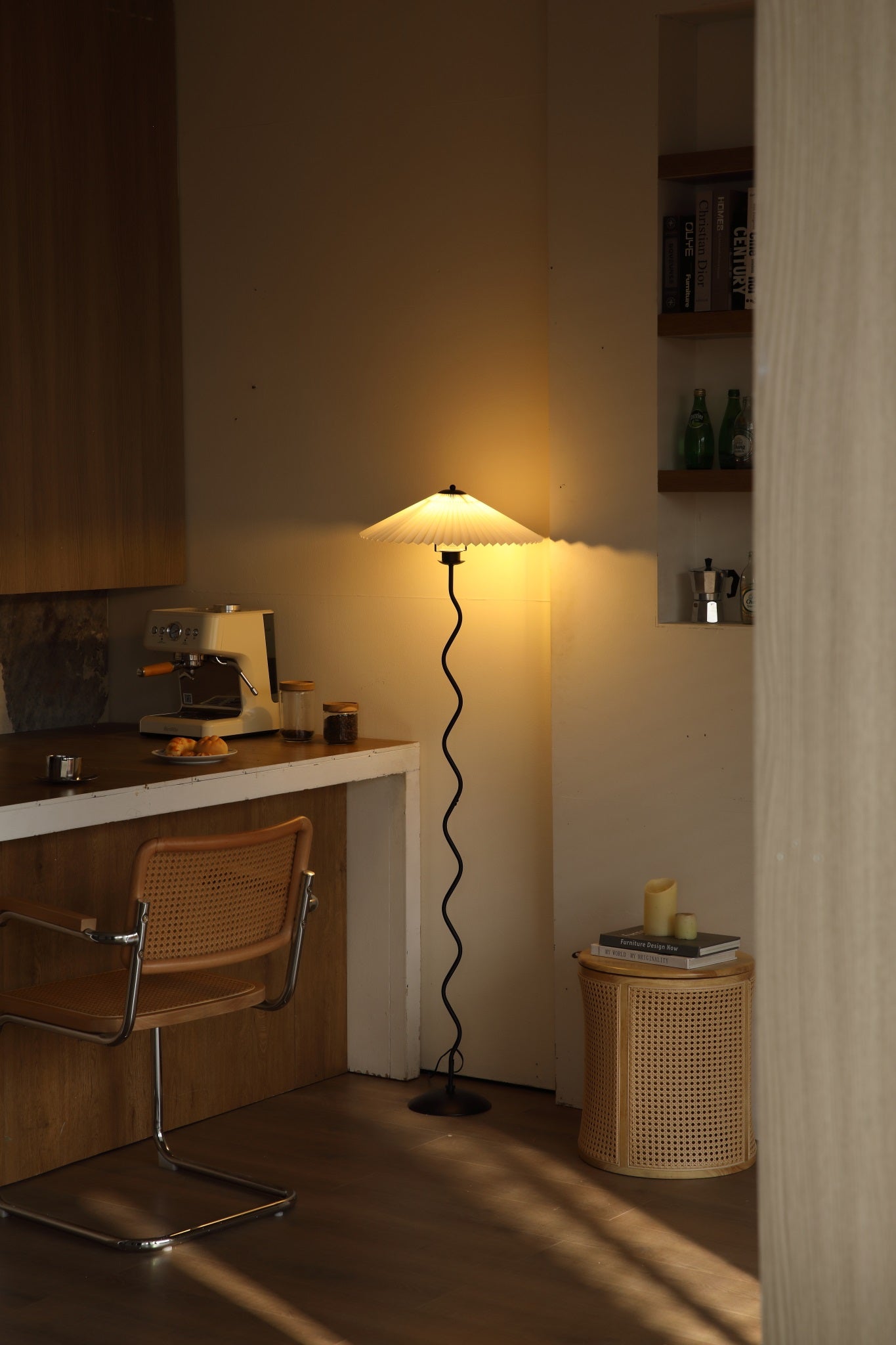
Light that draws the eye somewhere on purpose. A picture light over art, a small lamp on a shelf, a sconce washing a textured wall. Accent layers add depth. They are not strictly functional, which is exactly the point.
Why one layer is not enough
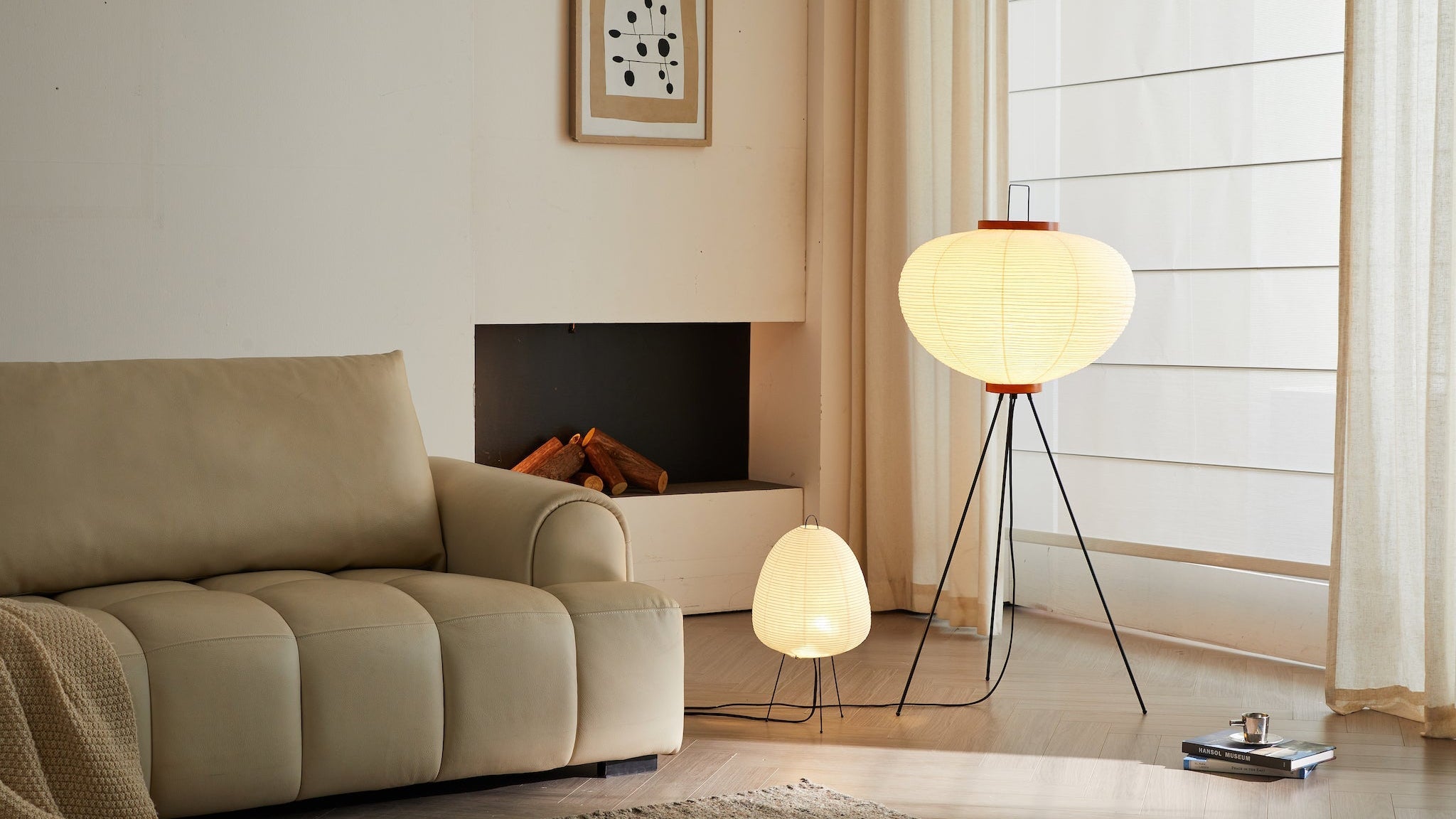
A living room with only an overhead pendant feels like a hotel lobby at 11pm. The light is even, technically adequate, and emotionally flat. Add two table lamps at sitting height with 2700K bulbs, and the same room divides into pools of warm light surrounded by softer shadow. The brain reads this as comfort because it matches how we evolved to use firelight.
The same overhead pendant with a wall sconce above the sofa and a small floor lamp in the reading corner gives you four switchable scenes from one room. Daytime work, evening conversation, late reading, end-of-night wind-down. None of these need new fixtures. They need different fixtures on different switches.
A simple room-by-room plan
| Room | Ambient | Task | Accent |
|---|---|---|---|
| Living, 12 by 16 ft | Pendant or semi-flush, 1500-2000 lm, 2700K | 2 table lamps at sitting height, 400-600 lm each | Picture light or small shelf lamp, 200 lm |
| Bedroom, 11 by 13 ft | Pendant, 800-1000 lm, 2700K, dimmer | Bedside lamps or wall lights, 300-400 lm each | Small floor lamp or sconce, 200 lm |
| Dining, 10 by 12 ft | Pendant centered on table, 1000-1500 lm, 2700K | Often skipped, the pendant doubles | Buffet lamp or wall sconce, 200-300 lm |
| Kitchen, 12 by 14 ft | Recessed or flush, 2000-3000 lm, 3000K | Pendants over island, 600-900 lm; under-cabinet strips | Toe-kick LEDs at night, 50-100 lm |
| Hallway, 4 by 12 ft | Semi-flush every 8 ft, 600-800 lm, 2700K | None | Optional sconce at art, 200 lm |
Bulb temperature by layer
Color temperature should also be layered. The general principle: warmer for accent and task at rest, slightly cooler for kitchen task work.
- Ambient: 2700K in living areas, 3000K in kitchens and bathrooms.
- Task at a desk or counter: 3000K. Cooler reads as more focused, but stay below 3500K at home or it tips into clinical.
- Task at a bedside or reading chair: 2700K. You are winding down, the bulb should match.
- Accent: 2700K or warmer. 2200K is closer to candlelight and reads beautiful in the right context.
Mixing 2700K and 4000K in the same room is the most common mistake. The eye picks up the temperature difference even when individual sources look fine, and the room feels uneasy.
Switching and dimming
Layers only work if you can control them separately.
- One switch per layer. Overhead on one switch, lamps on another, sconces on a third. Smart bulbs and plug-in dimmers solve this in rentals where rewiring is not possible.
- Dimmers on ambient and task. Accent often does not need to dim if the bulb is small enough.
- Scene presets help. Two or three saved levels (work, evening, late) get you most of the value without an over-engineered system.
How pendants fit in
Pendants are the most flexible layer because they can do ambient or task depending on placement and bulb. A pendant over a dining table is task lighting for the meal and ambient for the room. A pendant in a hallway is purely ambient. A pendant over a kitchen island with a focused shade is task only.
For pendant-specific sizing and height advice, see how to choose pendant lighting for any room and how high to hang a dining-room pendant. The same pendant guide covers bulb specifications, which carry across all three layers. Browse pendants or the broader lighting collection.
Common mistakes
- Over-relying on the overhead. The single most common home lighting failure. Add at least two more sources at sitting height in any living room.
- No warm light at night. A 4000K kitchen bleeding into a 4000K living room makes evenings feel like a clinic. Switch the living room to 2700K, leave the kitchen at 3000K with under-cabinet strips for late-night use.
- Everything on one switch. If the wall has one switch and you cannot rewire, add plug-in lamps with their own switches and ignore the wall switch most of the time.
- No dimmer. Same fixture, same bulb, totally different room with a dimmer.
- Accent layer skipped. A picture light over art or a small lamp on a shelf is what separates a finished room from a furnished one.
Questions, briefly
What are the three layers of home lighting?
Ambient (general fill), task (aimed at a working surface), and accent (drawing the eye to art, texture, or detail).
How many lumens does a living room need?
For a 12 by 16 foot room, plan for 2500 to 3500 lumens of total light split across three layers, not one fixture.
Should all bulbs in a room be the same color temperature?
Roughly yes. Stay within 200K of each other. Mixing 2700K and 4000K in the same room is the fastest way to make the space feel off without knowing why.
What goes on a dimmer?
Ambient and task layers, always. Accent layers usually do not need to dim if the bulb is small enough to be ignored when the rest of the lights are off.
Can I layer light in a small apartment?
Especially in a small apartment. One overhead in a 200 square foot studio reads worse than the same fixture plus a single 600 lumen table lamp at 2700K. The lamp does most of the work.
Browse the full range at our lighting collection to find pieces for each layer.


